The Battle of Sustainability and Trade Wars
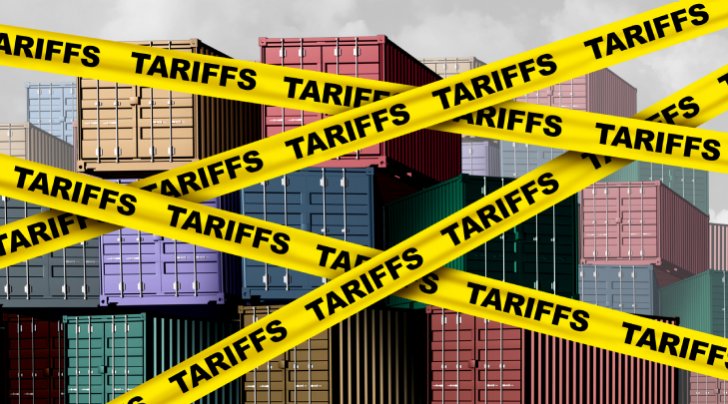
The global steel demand has always been voracious, and it is vital to keep in mind various ways to reduce carbon emissions that are associated with its production. Around 75% of steel is still largely made in coal-fired blast furnaces, which release a large amount of carbon dioxide. Currently, steel contributes 7% to the carbon emissions, globally.
That is where Green Steel was innovated. Essentially, green steel is the production of steel without the use of fossil fuels.
Why is it important? Because the International Energy Agency (IEA) suggests that ‘Emissions from steel must be reduced by 50% by 2050 and then continue to fall, to meet the world’s climate goals.’ Many Industry leaders, policymakers, and sustainability experts are now gathering resources to discuss the various ways to counter the new needs of the steel industry.
The Urgent Case for Green Steel
From traditional blast furnaces to a natural gas-based Direct Reduction (DR) and Electric Arc Furnace (EAF) route, which uses 20% scrap, reduces emissions by 47%, down to 940 kg CO₂. A hydrogen-based DR and EAF route that uses green hydrogen and fossil-free electricity achieves a 75% reduction, emitting just 4.57 kg CO₂ per ton. The most advanced fully green DR and EAF route with renewable hydrogen, fossil-free power, and clean heat, cuts emissions by 99%, resulting in only 1 kg CO₂ per ton. We have been provided with many methods of tackling the issue. But a new challenge hits the industry. The U.S. Tariffs on Steel and Aluminium Imports!
U.S. Tariffs Disrupt the Green Steel Market
While understanding the impact of the imposed duties on Green Steel, the following changes were observed.
The U.S. remains the top importer of steel if the European Union is excluded, bringing in 26.2 million tons of steel—a 2.5% increase over 2023, as reported by the U.S. Department of Commerce’s International Trade Administration (ITA) in its U.S. Steel Imports Report.
The U.S. markets for the green steel industry are expected to be impacted, whereas others may find a new market to explore. The current largest market for green steel is the EU, due to its stringent environmental policies such as CBAM. However, the U.S. green steel manufacturers are unable to take the benefits of this demand due to the trade war. This disrupted supply of U.S. green steel is filled by the supply from China.
The Ripple Effect on other sectors
Since steel and aluminium also play a pivotal role in power grid projects, wind farms, and solar farms, any impact on this industry impacts the various other components, such as the cables and wires, conductors and generators, transformers, energy storage systems, wind and transmission towers, and other infrastructure.
“Tariffs are inherently inflationary and will drive up both domestic and imported steel prices. Overall, the supply chain will face increased costs and extended lead times as companies prioritize securing reliable supply and pricing stability," said Earl Simpkins, partner at PwC.
Some sources explicitly stated that the newly announced tariffs are more severe than previously anticipated, as the rates exceed those reflected in the previous report. The Indian steel exporters are affected by these duties, as the U.S. accounts for 18% of India’s total exports and 10.73% of bilateral trade. Out of which iron and steel comprise an amount of $2.7 billion, as of 2024. The impact could be significant.
Companies like AM/NS have already begun their investments in green steel. A new scrap processing facility in Maharashtra has already been operational. Recently, India launched a Whitepaper on Green Hydrogen’s role in decarbonising India’s steel sector. However, they seek protection from the government against the dumping of Chinese scrap.
The Trump tariffs could hurt GCC economies by lowering oil prices, disrupting trade, and delaying investments. Companies actively involved in Asian markets may see weaker Q2 earnings due to reduced trade and tighter fiscal policies. If oil revenues decline due to lower prices as a result of the tariffs and weaker demand, GCC governments may have to cut down spending to balance budgets, slowing down infrastructure projects, subsidies, and public sector investments. High tariffs may reduce corporate earnings, impacting the future growth potential in the region.
Hence, steel, aluminum, copper wiring, and electrical components are all at risk of price hikes. Large-scale construction projects, including data centers, life sciences facilities, high-tech industrial plants, and commercial developments, are all dependent on the intricate global supply chains for materials.
So, where do we envision the future of the world? Are we yet to witness a future where the past repeats? A time when the price of land was trivial compared to the cost of survival? Will history loop back to an era where sustenance, not property, held the greatest value?